Hemlock Removal in Philadelphia, PA
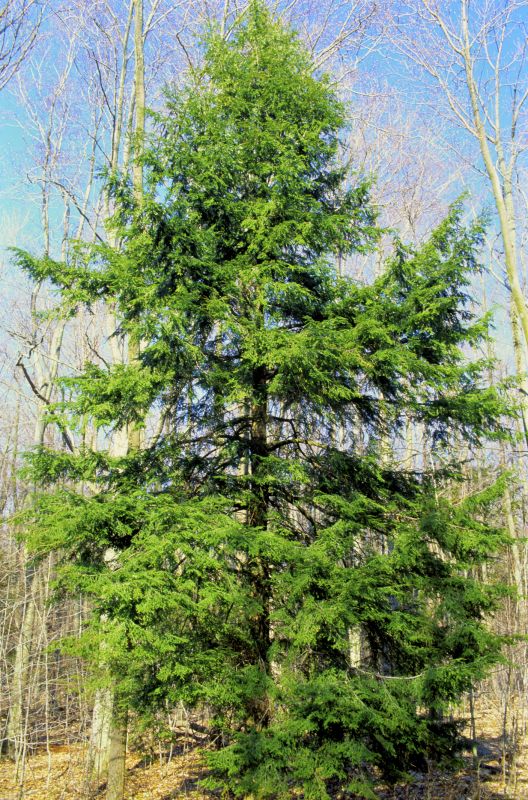
Hemlock removal services involve the safe and effective removal of hemlock trees from residential properties. This process is often requested for projects such as clearing overgrown areas, preventing the spread of pests or disease, or addressing safety concerns related to falling branches or unstable trees. Property owners typically want to understand the scope of the removal, the methods used to ensure safety, and any potential impacts on the surrounding landscape or trees that will remain.
Before requesting hemlock removal, homeowners should consider the size and location of the trees, as well as the reasons for removal. It’s important to determine whether the removal is part of a larger landscaping plan or necessary due to health issues with the tree. Understanding the potential effects on property value, nearby vegetation, and the overall appearance of the yard can help in making informed decisions about the project.
Many property owners in Philadelphia, PA look into Hemlock Removal for repairs, replacements, upgrades, and appearance-related improvements.
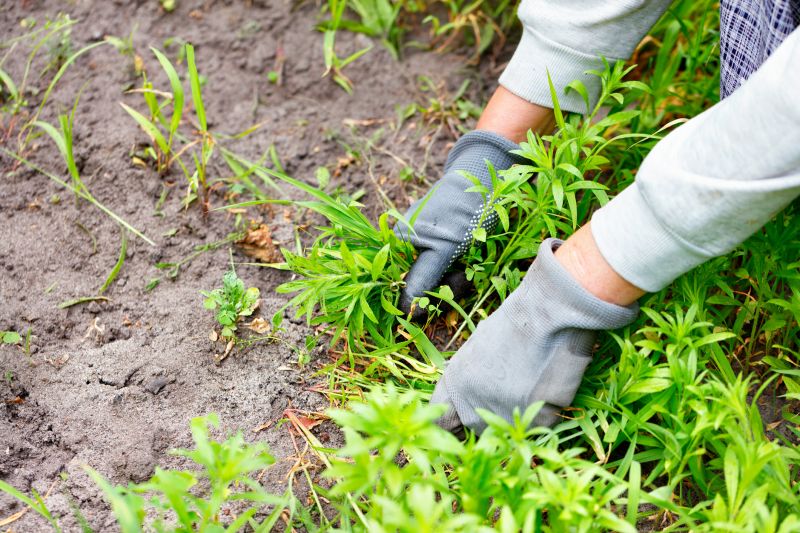
Reasons To Remove Hemlocks
Hemlock removal helps prevent damage to structures and surrounding plants caused by falling branches.
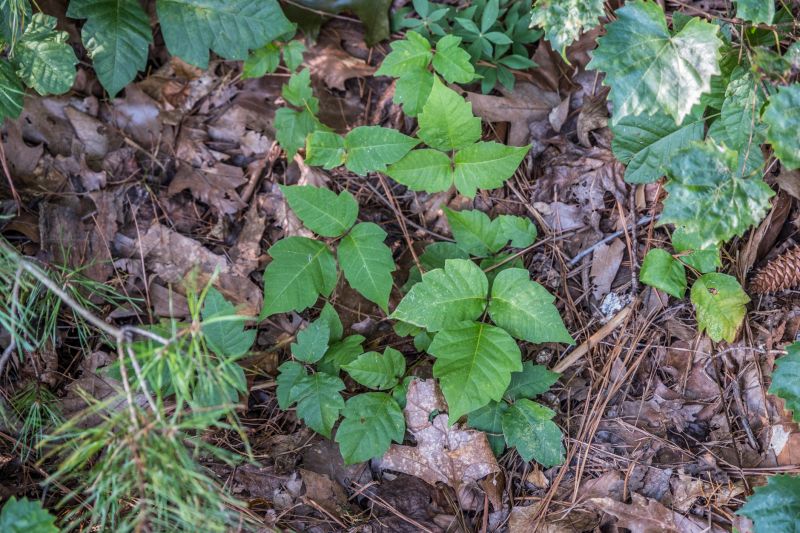
Signs Of Hemlock Issues
Wilting needles, dead branches, and visible decay are common indicators that removal may be necessary.
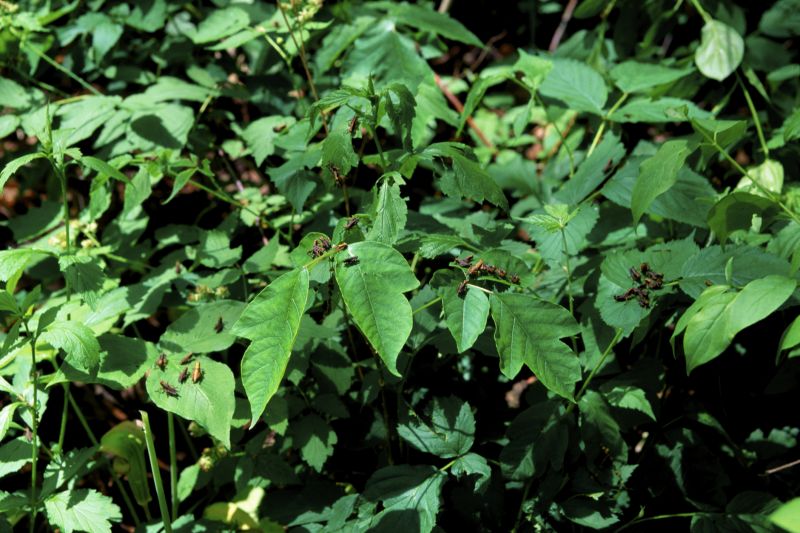
Benefits Of Professional Removal
Professional services ensure safe and effective removal, reducing risks to property and nearby trees in philadelphia and beyond.
Hemlock Removal in Philadelphia, PA

Hemlock removal services involve the safe and effective removal of hemlock trees from residential properties. This process is often requested for projects such as clearing overgrown areas, preventing the spread of pests or disease, or addressing safety concerns related to falling branches or unstable trees. Property owners typically want to understand the scope of the removal, the methods used to ensure safety, and any potential impacts on the surrounding landscape or trees that will remain.
Before requesting hemlock removal, homeowners should consider the size and location of the trees, as well as the reasons for removal. It’s important to determine whether the removal is part of a larger landscaping plan or necessary due to health issues with the tree. Understanding the potential effects on property value, nearby vegetation, and the overall appearance of the yard can help in making informed decisions about the project.
Many property owners in Philadelphia, PA look into Hemlock Removal for repairs, replacements, upgrades, and appearance-related improvements.
Common Hemlock Removal Jobs
Hemlock Removal - Safely eliminates invasive hemlock trees to protect surrounding landscape.
Hemlock Thinning - Reduces tree density to improve air circulation and reduce disease risk.
Hemlock Stump Grinding - Removes tree stumps to clear space for new planting or lawn expansion.
Hemlock Disease Management - Addresses health issues affecting hemlock trees to prevent decline.
Hemlock Tree Trimming - Shapes and maintains trees for safety and aesthetic appeal.
Hemlock Risk Assessment - Evaluates potential hazards posed by aging or damaged hemlocks.
Hemlock Removal Questions
Why should I remove a hemlock tree? Removing a hemlock can prevent disease spread, reduce safety risks, and improve the health of surrounding trees and landscaping.
What signs indicate a hemlock needs removal? Symptoms include extensive browning, needle loss, or visible decay, which suggest the tree is unhealthy or hazardous.
Is hemlock removal necessary for pest control? Yes, removing infected or infested hemlocks helps control pests and prevents them from spreading to other plants.
What should property owners consider before removing a hemlock? Consider the tree’s location, size, and condition to determine the best removal approach and minimize impact on the landscape.
Request Hemlock Removal in Philadelphia, PA
Use the quote form on this page to share the basics of your project and request more information for the type of work you need.